Loading...
Serving Alamo, TX and surrounding areas. (956) 948-8003
Alamo sun and clay soils destroy unprotected concrete faster than most homeowners expect. A proper seal job keeps water, oil, and UV from eating away the surface you already have.
Concrete sealing in Alamo, TX puts a thin protective layer over your slab that blocks water, oil, and UV radiation from soaking in - most residential jobs finish in a single day, with the surface ready for foot traffic within 24 hours and vehicles after 48 to 72 hours.
Think of it as a raincoat for your driveway or patio. Without it, concrete acts like a sponge - absorbing moisture from every rain shower, baking it back out in the heat, and slowly breaking down from the inside. In Alamo, where summer temperatures regularly exceed 100 degrees and the clay soil underneath shifts with every wet and dry cycle, that damage cycle accelerates faster than in most parts of the country. Sealing is one of the least expensive ways to extend the life of concrete you already have. For slabs that need surface prep before sealing, starting with concrete grinding and surface preparation ensures the sealer has a clean surface to bond to.
If your concrete has more than surface damage - cracks that are widening, uneven sections, or a surface that has scaled significantly - sealing alone may not be enough. In those cases, concrete resurfacing and overlays is worth exploring before applying a sealer to a surface that needs more than protection.
Pour a small cup of water on your driveway or patio and watch what happens. If it soaks in and darkens the concrete within a minute, the sealer has worn off. In Alamo heat, unprotected concrete absorbs moisture from every rain and then bakes it back out - and that cycle slowly weakens the surface from the inside.
That white powdery film is efflorescence - mineral deposits left behind when moisture moves up through the slab. It is especially common in Alamo because of the caliche-rich soil beneath many homes here. Sealing helps block that moisture pathway, but the surface must be cleaned of existing efflorescence first or you are sealing the problem in.
Hairline cracks are normal in any concrete, but cracks that seem wider than they were last year are a sign the surface is under stress - likely from the clay soil movement common throughout Hidalgo County. Sealing after crack filling stops water from getting in and making things worse. Catching this early is far cheaper than waiting until the slab needs replacing.
Unsealed concrete is porous and absorbs oil quickly. Once it soaks in it is very hard to remove completely. A sealed surface lets future spills sit on top instead of soaking in - making cleanup as simple as rinsing with a hose. If your driveway has permanent-looking stains, professional cleaning followed by sealing gives you a reset.
Not all sealers are the same, and the right choice depends on your surface and what you want from it. Penetrating sealers soak into the concrete and protect it from within - they are nearly invisible and require no stripping when they need to be reapplied. This type works well for driveways, sidewalks, and outdoor areas where you want protection without changing the look. For homeowners who want more UV durability and a visible sheen, topical or acrylic sealers sit on the surface and can be tinted or given a low, medium, or high gloss. These require proper prep and full curing time, especially in Alamo summers.
Before any sealer goes down, surface prep is not optional. We pressure-wash the concrete, remove oil stains and efflorescence, fill cracks, and let the surface dry fully. A sealer applied over a wet or contaminated surface will peel - sometimes within weeks. For surfaces that need mechanical prep rather than just cleaning, pairing sealing with concrete grinding and surface preparation gives the sealer the best possible base. If the surface has significant damage, concrete resurfacing and overlays restores the surface before sealing begins.
Best for driveways, sidewalks, and outdoor slabs where invisible protection is the priority without changing the look of the concrete.
Suited to patios, decorative concrete, and surfaces where a visible sheen, light enhancement, or color protection is wanted.
For Alamo homeowners with full-sun driveways or pool decks that take the full force of Valley heat - products specifically rated for high UV and temperature extremes.
For slabs with recurring white mineral deposits - cleaned thoroughly, treated, and then sealed to block the moisture pathway that causes efflorescence to return.
Alamo sits in deep South Texas, where the sun is intense for most of the year and summer temperatures regularly top 100 degrees. That level of UV radiation breaks down a sealer faster than in cooler climates - most homeowners in this area reseal every two to three years rather than the four to five years typical elsewhere. The caliche-rich soil throughout Hidalgo County also contributes to efflorescence, and the expansive clay soil causes slabs to crack more often than in areas with stable ground. Homeowners in Mercedes and Donna deal with the same conditions and benefit from the same locally appropriate sealing approach.
Alamo is also a residential community where most homes have large driveways, covered patios, and outdoor living spaces - meaning the average sealing job here covers more square footage than in denser urban areas. Scheduling matters too: sealer applied when the slab temperature is too high cures too fast and leaves a streaky or uneven finish. Experienced local contractors check the forecast before confirming your date and plan early-morning starts during hot months. The Portland Cement Association provides guidance on sealer selection and application standards for climates with extreme temperature swings and high UV exposure.
Reach out and we respond within one business day. We ask about the size and type of surface - driveway, patio, garage - and the current condition, so we can come prepared. No surprises when we arrive.
We visit your property and look at the concrete in person. We check for cracks, efflorescence, oil stains, and signs of old sealer. You get a written quote that breaks out prep, crack filling, and sealing separately - not just one number.
On the job day, we pressure-wash the surface, treat any efflorescence, fill cracks, and let everything dry completely. In Alamo, this prep step often takes two to three hours for a large driveway. Nothing gets sealed over moisture or contamination.
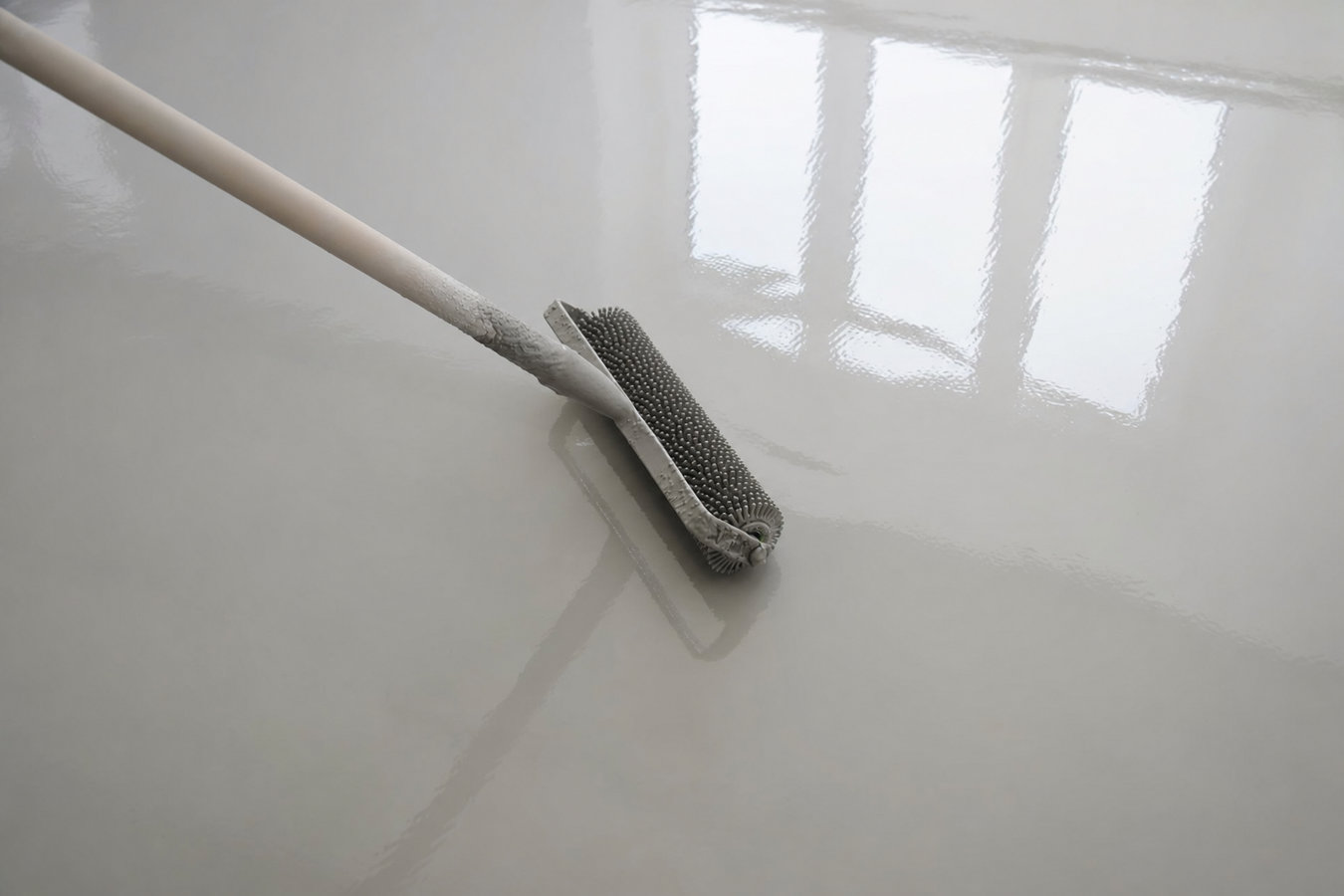
Once dry, sealer goes down evenly by roller, sprayer, or squeegee depending on the product. We walk the surface with you before leaving and give you exact curing timelines - foot traffic at 24 hours, vehicles at 48 to 72 hours. Follow those times and the surface will hold.
Free estimate, no pressure. We reply within 1 business day.
(956) 948-8003The single most common reason a seal job fails within the first year is insufficient surface prep. We pressure-wash, clean, dry, and fill cracks before a drop of sealer goes down. A sealer applied over moisture or contamination will peel, and we have no interest in coming back to fix a problem we caused.
Not every contractor uses sealers rated for the UV exposure and heat extremes of South Texas. We specifically select products suited to Alamo conditions - because a sealer that performs well in a moderate climate may break down in half the time here.
We check the forecast before confirming your date and plan early-morning start times during hot months. Sealer applied to a slab that is too hot, or in rain that is 24 hours out, produces a bad result. Scheduling around Alamo weather is standard practice for us, not something you have to ask for.
If your concrete has damage that sealing cannot fix, we say so before the job starts. We have seen the results of sealers applied over deteriorating surfaces across Hidalgo County, and we will not put you in that position. You get an honest assessment, not a sale.
Good concrete sealing in Alamo is not complicated - it is thorough prep, the right product, and timing that respects the climate. That is the standard on every job we complete across the Valley.
When your surface has more than just wear - resurfacing restores it before sealing begins.
Learn MoreMechanically prepare the slab so your sealer bonds correctly and does not peel within the first season.
Learn MoreBefore the next round of Valley rains hits, protect your driveway or patio - spots fill fast in the dry season.