Loading...
Serving Alamo, TX and surrounding areas. (956) 948-8003
A floor that dips, slopes, or keeps cracking your tile is not a tile problem - it is a slab problem. Self-leveling concrete fixes the root cause so your next floor installation actually lasts.
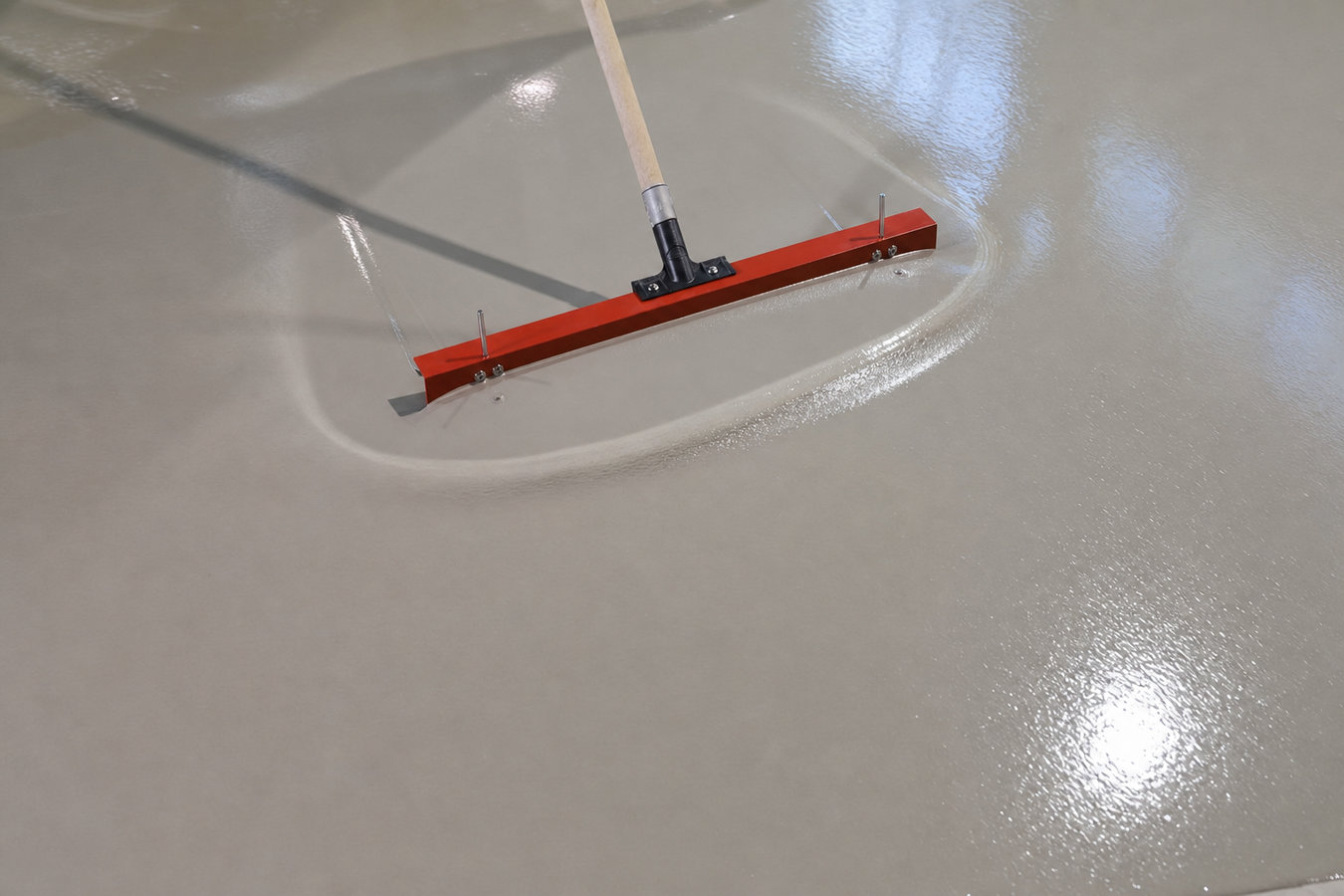
Self-leveling concrete in Alamo, TX is a specially mixed material that spreads itself flat without much troweling - you pour it onto an uneven floor and it flows into low spots on its own, creating a smooth surface that is ready for tile, vinyl, hardwood, or a decorative finish, with most pours walkable within 24 hours.
In Alamo, uneven floors are more common than in most parts of the country. The clay-heavy soil throughout Hidalgo County expands when it gets wet and shrinks when it dries out. Over years and decades, that constant movement causes concrete slabs to settle unevenly - which is why so many older Alamo homes have floors that feel slightly off or tile that keeps cracking in the same spot. Self-leveling concrete addresses the root problem rather than just patching the symptom. For surfaces that need a decorative finish after leveling, concrete resurfacing and overlays can be applied once the level base is fully cured.
Overlays serve a related but different purpose - they add a thin decorative or protective finish to an existing concrete surface. Popular for worn outdoor patios and garage floors, overlays refresh the look of the slab without a full tear-out. Whether you need leveling, an overlay, or both, the right approach starts with a contractor who actually looks at your floor before recommending anything.
If you have replaced cracked floor tiles more than once in the same spot, the problem is almost certainly not the tile - it is the uneven slab underneath. In Alamo's clay-heavy soil, slabs shift slightly over time and that movement transfers directly up through whatever flooring is on top. Leveling the slab first eliminates that ongoing stress before new flooring goes in.
Stand in the middle of a room and notice whether the floor feels lower in one area, or whether a chair rocks on what should be a flat surface. Even a small dip - less than half an inch - causes problems with flooring installation and is a clear sign the slab has settled unevenly. This is one of the most common issues in older Alamo homes where the slab has had decades to shift.
If your patio slab has surface stains that will not wash off, small pits or chips from years of sun and rain, or a rough texture that is hard to clean, an overlay can restore it without a full tear-out. In the Rio Grande Valley, outdoor slabs take a beating from intense UV exposure and summer storms, and most show visible wear within 10 to 15 years.
If water collects in the same spot every time it rains or you mop the floor, that low spot is a sign the slab has settled unevenly. Standing water accelerates surface deterioration and can work its way under walls or door frames over time. Leveling the floor eliminates the pooling and protects the surrounding structure.
Self-leveling concrete is most often used indoors - to prepare a room floor before tile or hardwood installation, to eliminate low spots in a garage or utility room, or to repair a slab that has settled unevenly over the years. It is poured rather than troweled, so it finds its own flat surface as it spreads across the floor. The thickness of the pour depends on how uneven the floor is - from a thin skim to a deeper fill - and the correct product choice matters for each application. Before any pour, we test the floor for moisture coming up through the slab, which is a common issue in South Texas homes and one of the leading causes of overlay failure if ignored. The concrete resurfacing and overlay process often begins with a self-leveling base coat when the existing slab is uneven.
Overlays serve a different purpose - they add a decorative or protective finish to a concrete surface that is already structurally sound. On outdoor patios and covered porches in the Rio Grande Valley, overlays are a popular choice for refreshing worn, stained, or faded slabs without demolition. For outdoor surfaces, the sealer applied over the overlay matters just as much as the overlay itself - UV-rated products hold up through Valley summers in a way that standard interior sealers do not. For pool decks and surrounding areas, we recommend reviewing our dedicated pool deck coatings and resurfacing service, which addresses the specific slip-resistance and water-resistance needs of that environment.
Best for rooms where uneven settling or prior damage requires a flat, stable base before new flooring is installed.
Suited to garage slabs with low spots that collect water or create tripping hazards, restoring a flat and functional surface.
For worn or stained outdoor slabs in South Texas where a fresh, sealed surface extends the life of the concrete without replacement.
Works well for covered porches, entryways, and patios where a clean, finished look is wanted alongside the functional benefits of resurfacing.
Alamo has a significant number of homes built between the 1970s and the 1990s - many with concrete slabs that have had 30 to 50 years of Rio Grande Valley clay soil movement working against them. That clay expands when wet and shrinks when dry, creating an ongoing stress on the slab underneath your floors. The result is uneven surfaces, cracking tile, and low spots that collect water after a storm. These problems are not signs of a failing home - they are a predictable outcome of building on this kind of soil over time, and self-leveling concrete is exactly the tool designed to address them. Homeowners in Edinburg and Weslaco face the same soil conditions throughout the Valley and benefit from the same approach.
The summer heat here also affects how self-leveling products need to be applied. When temperatures exceed 95 to 100 degrees, the material can start to set before it has fully spread across the floor - leading to ridges, edges that did not bond, or a surface that is uneven despite your best intentions. Experienced local contractors time pours for early morning in summer and choose products rated for high-temperature use. The International Concrete Repair Institute publishes technical guidance on surface preparation and overlay application standards that apply directly to this kind of work.
When you reach out, we ask about the area needing work, roughly how large it is, and what you plan to put on top afterward. Most contractors in the Alamo area can provide a written estimate after a free on-site visit. We reply within one business day and can usually schedule a visit the same week.
Before ordering material, we measure the low spots, check for cracks, and test for moisture coming up through the slab. In South Texas, moisture through the slab is a common cause of overlay failure - skipping this test is a red flag. If anything needs addressing before the pour, we explain it clearly before any work begins.
We grind or clean the existing surface so the new material bonds properly. You will need to clear the room completely - furniture, rugs, appliances, anything on the floor. We schedule this step for early morning in summer to work before the slab heats up. This prep phase creates some dust and noise, but it is what makes the finished job last.
The self-leveling material spreads across the floor and fills low spots on its own. Most pours take one to three hours. We give you a specific curing timeline based on the product and weather that day - typically walkable in 24 hours. We do a final walkthrough together before we leave so you know exactly what was done.
Free written estimate. No obligation. We reply within one business day.
(956) 948-8003Moisture coming up through a slab is one of the most common reasons overlays fail within the first year in South Texas. We test before pouring anything - if moisture is present, we tell you upfront what needs to happen before work begins. No surprises, no callbacks because the overlay bubbled six months later.
Self-leveling concrete sets faster in extreme heat, and a pour that starts too late in the morning can stiffens before it spreads evenly. We schedule pours for early morning in summer months and use products rated for high-temperature conditions - so the material flows correctly and bonds the way it should.
We have worked on floors throughout the Alamo area and know how the clay soil here affects slabs over time. That local knowledge shapes how we assess a floor, what product we recommend, and how we frame a realistic timeline for how long the fix will last given the ongoing soil movement in this part of the Valley.
You get a written estimate that covers the full scope of work before anything starts. If something unexpected comes up during assessment - deeper cracks, significant moisture - we explain it before we proceed. The price you agree to is the price on the invoice.
This is work we stand behind in the same community where it was done. The American Society of Concrete Contractors and the International Concrete Repair Institute both publish best-practice guidance for the kind of surface preparation and overlay work we do - and those standards inform how every job gets done.
Restore a worn pool deck with a slip-resistant, UV-rated coating or overlay built for constant sun and water exposure in South Texas.
Learn MoreApply a fresh decorative or protective overlay to an existing driveway, patio, or outdoor slab without the cost and disruption of full replacement.
Learn MoreCall today for a free written estimate - summer schedules fill fast in the Rio Grande Valley, and getting on the calendar early saves you from delays.